 English
 Français
 Español
 Deutsch
 Italiano
 العربية



tel
:+86-755-86961139
E-mail
:sales@vivo-light.com
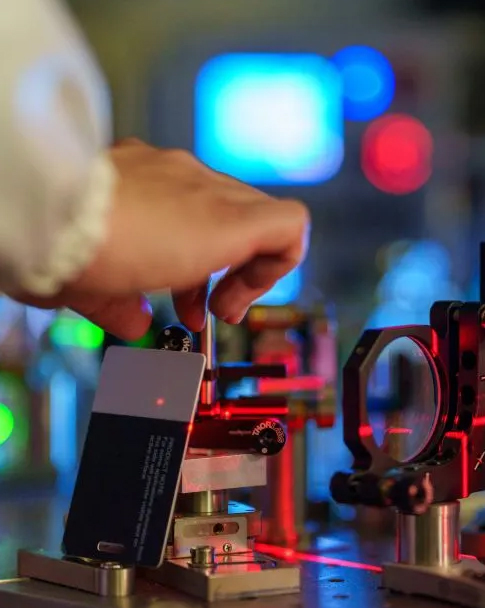

A Projection Vein Finder is a vascular visualization device designed to help users visualize superficial veins beneath the skin. Near-infrared (NIR) imaging systems use the different optical absorption characteristics of blood and surrounding tissue to generate an image of superficial veins. Depending on the system, the processed vascular image may be displayed or projected onto the skin as a visual reference.
For venipuncture education, this type of visualization can provide an additional reference for understanding superficial vein distribution and selecting a potential puncture site. It should be considered a visualization and training aid rather than a replacement for clinical assessment, anatomical knowledge, or standard venipuncture technique.
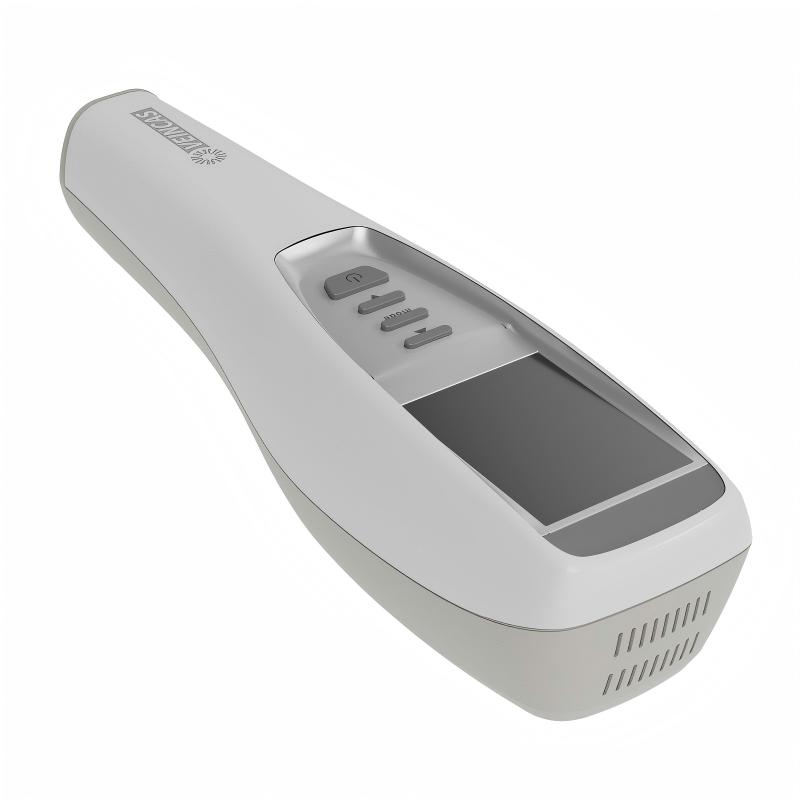
How Can Vascular Visualization Support Venipuncture Training?
Venipuncture requires trainees to translate anatomical knowledge into practical decisions, including identifying an appropriate vessel, understanding its direction and branching pattern, and selecting a suitable puncture site. A vascular visualization system can make superficial vein patterns more directly observable during training.
A clinical nursing study published in 2021 evaluated this approach in a group of 100 trainee nurses from the 2020 training cohort. The researchers compared conventional venipuncture training with conventional training supplemented by a vascular imaging system. The outcomes included first-attempt success rate, venipuncture failure rate, needle-direction adjustments, and self-rated confidence. [1]
Clinical Study: Vascular Imaging in Nursing Education
The study by Feng et al., published in Clinical Medicine Research and Practice in 2021, enrolled 100 trainee nurses. Using a draw-lots method, the researchers assigned 50 trainees to a conventional training group (Group A) and 50 to a visual-technology training group (Group B). Baseline comparisons of sex, age, and pre-internship theoretical examination scores showed no statistically significant differences between the groups. [1]
Group A received conventional instruction based on standard venipuncture teaching. Group B received the same basic training supplemented with instruction and practical use of a projection vascular imaging device. During training, the trainees observed the morphology, distribution, and branching of superficial veins in the arm and used the visual information to help select a potential puncture site. [1]
Which Device Was Used in the Study?
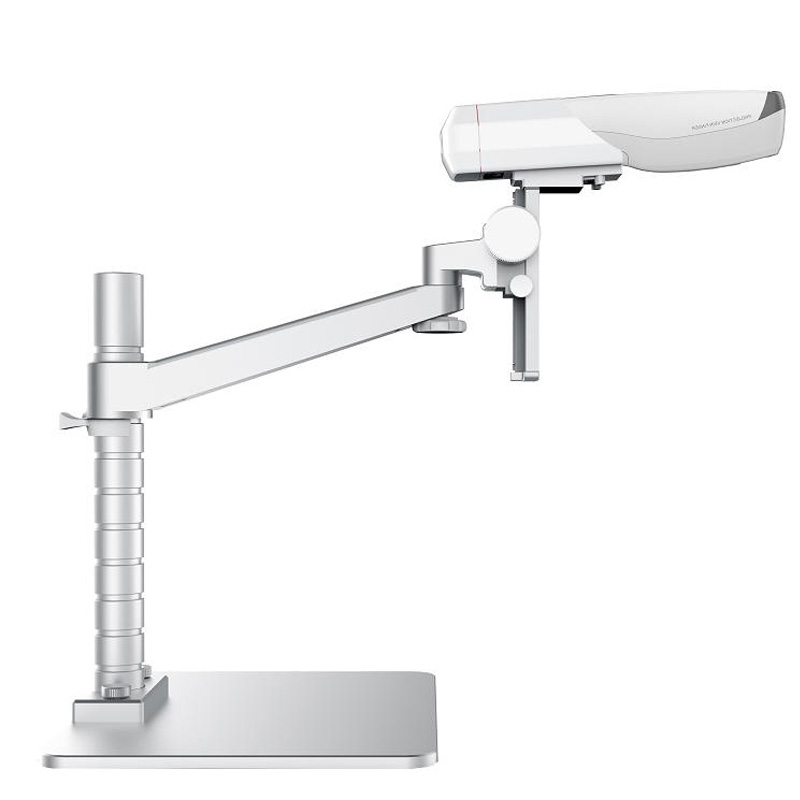
The original paper specifically identifies the device used in the visual-technology group as the Vivo500 Projection Vascular Imager, manufactured by Zhongke Weiguang Medical Instrument Technology Co., Ltd. The study describes adjustment of the device-to-skin distance and imaging modes during the training procedure. [1]
This device identification should be preserved when citing the study. The study does not establish that the current product category or every Projection Vein Finder has been clinically validated by this particular study.
An important methodological detail is that the imaging device was used during the training process. After the training, both groups performed the evaluated venipuncture procedures without the device, using conventional methods. Therefore, the study is most appropriately interpreted as evidence regarding vascular-imaging-assisted training, rather than as a direct clinical trial of device-assisted venipuncture during every procedure. [1]
What Did the Study Find?
|
Outcome |
Group A – Conventional Training |
Group B – Vascular Imaging Training |
|
First-attempt success |
32/50 (64.00%) |
45/50 (90.00%) |
|
Venipuncture failure |
5/50 (10.00%) |
0/50 (0.00%) |
|
Needle-direction adjustments |
Median 1 (IQR 0–2) |
Median 0 (IQR 0–1) |
|
Self-rated confidence |
6.92 ± 1.34 |
8.96 ± 0.90 |
The study reported statistically significant differences between the two groups for first-attempt success, venipuncture failure, needle-direction adjustments, and self-rated confidence (P < 0.05). [1]
The first-attempt success result was 64.00% in Group A and 90.00% in Group B. Venipuncture failure was reported in 10.00% of Group A and 0% of Group B. [1]
For needle-direction adjustments, the median was 1 (IQR 0–2) in Group A and 0 (IQR 0–1) in Group B. The self-confidence score was 6.92 ± 1.34 in Group A and 8.96 ± 0.90 in Group B. [1]
How Should These Results Be Interpreted?
The findings suggest that incorporating vascular visualization into venipuncture training was associated with better subsequent performance among the trainee nurses included in this study. The authors proposed that visualizing superficial vein distribution may help trainees develop a better understanding of vessel anatomy and make more informed choices about puncture sites. [1]
However, the study population, study design, and intervention should be considered when interpreting the findings. The study involved trainee nurses in a specific clinical education setting, and the imaging device was not used during the post-training venipuncture procedures that were evaluated. The results therefore should not be generalized as proof that every Infrared Projection Vein Finder Device directly increases venipuncture success in every patient or clinical setting.
What Does Other Clinical Research Show?
Evidence from other studies illustrates why device-specific and population-specific interpretation is important.
A 2013 cluster-randomized clinical trial evaluated three near-infrared devices—VeinViewer, AccuVein AV300, and VascuLuminator Vision—in children undergoing elective surgery. The study included 1,913 children. Although the devices affected vein visibility, the reported first-attempt cannulation success rates did not differ significantly between groups. [2]
A 2021 study also evaluated an NIR vein-finder system designed to support peripheral subcutaneous vein selection. The system was tested on 242 subjects and demonstrated real-time visualization of peripheral subcutaneous vein patterns. The authors described potential use as a guiding and instructional device, while the study itself focused on imaging performance rather than establishing universal clinical success rates. [3]
More recent evidence should also be interpreted according to the population and technology evaluated. A 2026 systematic review and meta-analysis of NIR vein imaging in patients aged 65 years and older reported higher first-attempt peripheral IV cannulation success with NIR devices, but also noted heterogeneity and risk of bias that limited the certainty of the evidence. [4]
What the Evidence Supports—and What It Does Not
Based on the cited studies, vascular visualization can reasonably be described as a technology that may help users visualize superficial veins and can serve as a training or procedural aid in selected settings.
The evidence does not support absolute statements such as “safe for all patients,” “no harm,” “guarantees successful venipuncture,” or “works for every patient.” Clinical performance may vary according to the device, operator, patient population, vascular characteristics, clinical setting, and procedure.
The 2021 nursing education study also did not directly evaluate patient satisfaction. The authors identified the lack of a patient-satisfaction comparison as a limitation. [1] Therefore, claims about reduced patient pain, improved satisfaction, or reduced complications should not be presented as direct findings of that study.
Practical Role of a Projection Vein Finder in Clinical Education
When incorporated into a structured training program, a Projection Vein Finder may provide visual support for several learning activities:
· Visualizing superficial vein distribution before discussing puncture-site selection.
· Connecting anatomical knowledge with the visible distribution of superficial veins.
· Helping trainees observe vessel direction and branching patterns during practical instruction.
· Supporting discussion of puncture-site selection alongside conventional clinical assessment.
· Providing a visual reference during skills development without replacing standard venipuncture training.
Limitations and Clinical Considerations
The available evidence should be considered in context. Studies have used different vein visualization technologies, patient populations, clinical environments, and outcome measures. Results obtained with one device should not automatically be attributed to another device without device-specific evidence.
For this reason, a Projection Vein Finder is best positioned as a visualization technology that can support clinical education and selected venipuncture-related applications. Its use should follow applicable clinical protocols, professional judgment, device instructions, and local regulatory requirements.
Conclusion
Projection Vein Finders provide a visual approach to superficial vein identification and can be relevant to venipuncture training and selected clinical applications. In the 2021 nursing education study reviewed here, trainees who received vascular-imaging-assisted training showed higher first-attempt success, fewer needle-direction adjustments, and higher self-rated confidence than trainees receiving conventional training alone. [1]
At the same time, the study used a specific device—the Vivo500 Projection Vascular Imager—and evaluated vascular imaging as part of a training program. The findings should therefore be presented within those specific boundaries. Broader clinical evidence is mixed and varies by patient population and device. [2–4]
For healthcare professionals and educators, the most evidence-based way to describe Projection Vein Finder technology is as a visualization and training aid whose clinical value should be considered according to the specific device, application, patient population, and available evidence.
References
[1] Feng W, Li Y, Ren J, Zhou Y, Meng Y. Application effect of visual vascular puncture technique on clinical nursing teaching. Clinical Medicine Research and Practice. 2021;6(18):175–177. DOI: 10.19347/j.cnki.2096-1413.202118058. The study used the Vivo500 Projection Vascular Imager during vascular-imaging-assisted training.
[2] de Graaff JC, Cuper NJ, Mungra RAAM, et al. Near-infrared light to aid peripheral intravenous cannulation in children: a cluster randomised clinical trial of three devices. Anaesthesia. 2013;68(8):835–845. DOI: 10.1111/anae.12294. PMID: 23763614.
[3] Francisco MD, Chen WF, Pan CT, et al. Competitive Real-Time Near Infrared (NIR) Vein Finder Imaging Device to Improve Peripheral Subcutaneous Vein Selection in Venipuncture for Clinical Laboratory Testing. Micromachines (Basel). 2021;12(4):373. DOI: 10.3390/mi12040373. PMID: 33808493.
[4] Xu LM, Zhao DX, Dong HR, Lian MQ. Impact of near-infrared vein imaging on peripheral intravenous access success rates in geriatric patients: a systematic review and meta-analysis. BMC Geriatrics. 2026;26(1):177. DOI: 10.1186/s12877-025-06940-3. PMID: 41507782.
Editorial Evidence Note
This article intentionally distinguishes the current product term “Projection Vein Finder” from the specific device named in the 2021 source study. The source study should not be presented as a clinical validation study of the current product unless separate product-specific clinical evidence is available.
Clinical evidence should be reviewed and approved by the website owner’s medical/regulatory team before publication. Product claims should be limited to claims supported by the applicable device documentation and evidence.
Lasciate un messaggio
Scansione su WhatsApp :


 IPv6 RETE SUPPORTATA